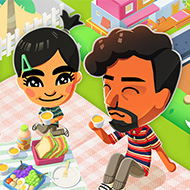
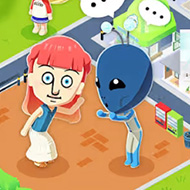
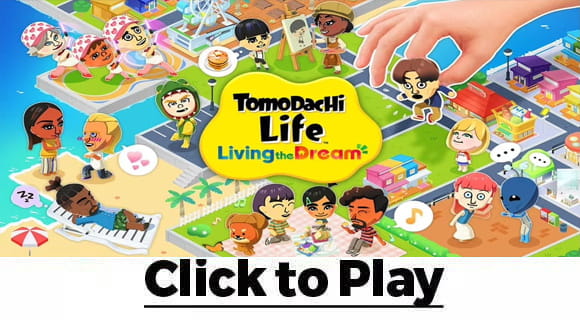
You hand a grilled cheese to Mii News anchor Yoshiko, and five seconds later another resident starts crying because a friendship collapsed during a rooftop conversation. Tomodachi Life turns tiny interactions into chain reactions that spread across the entire island. The game looks relaxed at first, but managing apartment moods, food preferences, and relationship drama becomes surprisingly demanding once more than 40 Miis move into the tower. Players who spend hours customizing catchphrases usually notice problems earlier because they check apartments more often than people focused on minigame rewards. During longer sessions, the apartment icon colors almost become a warning system because experienced players can predict whether a friendship issue or romance event is about to appear simply from the timing of speech bubble changes.
| Genre |
Life simulation |
| Main Location |
Mii Apartments and Island districts |
| Core Mechanic |
Managing Mii relationships, needs, and events |
| Popular Items |
Travel Tickets, Interior Sets, Bath Sets |
| Common Community Term |
Relationship chain |
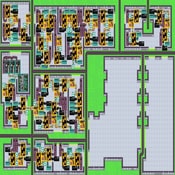
Apartment Patterns Inside Tomodachi Life
Most beginners treat every orange speech bubble as equally important, but friendship disputes usually matter more than simple hunger requests. When a Mii like Lucas asks for a new hat, ignoring the request rarely changes long-term progress. A broken friendship between Emma and Haru can lock several island events for hours. The game quietly tracks compatibility through personality groups such as Easygoing or Confident, and experienced players often build apartments strategically to encourage romances near compatible residents. Some players even reorganize the apartment tower every few days because adjacent rooms seem to trigger more rooftop interactions and spontaneous visits.
By the time you unlock the Amusement Park, the pace changes dramatically because multiple Miis can request simultaneous conflict resolutions. The famous “orange storm” situation from community forums happens when too many relationship icons appear at once after a daily refresh. Rhythm gamers usually enjoy the Rap Battle sequences, while collection-focused players spend more time hunting every food reaction animation. Simulation fans who enjoy hidden mechanics often monitor personality combinations carefully because Reserved and Independent Miis tend to recover from arguments slower than Outgoing residents.
One detail longtime players recognize immediately is the tiny pause before a Mii rejects spoiled milk. That delayed reaction became a meme in clips because players know disappointment is coming before the animation finishes. Another recognizable moment appears when apartment music suddenly cuts off before a confession scene, especially late at night after several unresolved friendships. The game never explains these timing patterns directly, but players who spend dozens of hours managing larger islands eventually notice them instinctively.
Food Preferences and Social Loops in Tomodachi Life
The food system creates more progression than many players expect. Giving Pancakes to Olivia repeatedly increases happiness quickly, but favorite foods become less efficient if overused. The game rewards experimentation through treasure rewards and level growth, especially after Import Wear starts expanding inventory options. Some players keep handwritten lists because remembering loved and hated meals across dozens of residents becomes difficult after the island population passes 60 Miis. Once the Fountain area opens, players often start optimizing gift rewards because higher happiness levels unlock Interior Tickets and special relationship scenes faster.
There is also a divisive mechanic involving random romance outcomes. A carefully planned confession from Noah to Chloe can fail purely because another Mii interrupts at the wrong moment. Some players love that unpredictability, while others think the system ignores relationship history too often. Community discussions regularly debate whether apartment placement secretly affects confession success rates, especially near the Rooftop and Café. Nobody fully agrees because the game hides most relationship calculations behind invisible personality values.
Travel Tickets create indirect relationship control because vacation events frequently strengthen bonds between specific Miis. Advanced players save these tickets for unstable couples instead of using them immediately for happiness boosts. Competitive completionists also use Travel Tickets carefully when trying to unlock every special photograph because certain vacation combinations appear less frequently after marriages begin spreading across the island.
Food reactions also become a hidden comedy system once more expensive meals appear in shops. Watching Daniel collapse dramatically after tasting ruined curry remains one of the most recognizable animations among longtime players. Meanwhile, perfectionist players often spend extra money buying rare dishes simply to collect every exaggerated facial reaction possible. The game quietly encourages this behavior by rewarding unusual interactions with treasures that can be sold for large amounts of cash.
Night Events Across Tomodachi Life
Nighttime changes the rhythm of the island more than newcomers realize. Dream sequences, café gatherings, and rooftop talks unlock different interactions after evening hours. Once the Café opens, players can overhear hidden conversations that reveal compatibility changes before friendship icons appear. Simulation fans who enjoy hidden systems usually spend extra time observing these nighttime routines instead of rushing requests. Players who only check apartments during daytime often miss some of the funniest dialogue exchanges because nighttime conversations contain stranger personality combinations.
The Concert Hall also changes social behavior because song performances affect mood recovery. Community discussions often debate whether metal songs or opera tracks create funnier reactions, especially when deep voice filters are used for tiny Miis. By the time children begin appearing after marriages, concerts become more chaotic because family-related interactions increase apartment visits dramatically. Some players specifically design bizarre music groups because mismatched costumes and robotic singing voices create memorable comedy clips.
Late-game islands become harder to organize because marriages introduce children, travel events, and compatibility shifts at the same time. Failure usually comes from ignoring low-satisfaction couples for too long rather than from running out of money. Once the Harbor area opens, returning traveler Miis can unexpectedly reconnect with old friends and restart dormant relationship chains. That unpredictability is one reason many players continue checking islands daily long after unlocking every major location.
Another commonly discussed issue involves child growth mechanics. Some players enjoy sending children away as travelers, while others dislike losing long-developed family interactions permanently. The debate appears frequently in community spaces because emotional attachment becomes surprisingly strong after dozens of apartment conversations and confession scenes.
- How do players increase marriage chances in Tomodachi Life? Strong compatibility pairs work best when apartments stay close together and Travel Tickets are saved for those couples. Players also avoid resolving too many outside friendships before confession events because social interruptions can derail romance scenes. Experienced island managers frequently monitor the Rooftop and Café during evening hours because confession opportunities appear more often after successful shared activities.
- Why do Miis stop becoming friends after the island grows? Relationship generation slows when many residents already maintain active social links. Using the Café, Tower interiors, and evening interactions helps trigger fresh conversations between Miis like Ethan and Mia. Some players rotate apartment positions every few days because isolated Miis near the bottom floors seem to receive fewer spontaneous visits during crowded late-game sessions.
- What is the rarest reaction players search for? Many players hunt extreme food reactions involving ruined meals or loved dishes because the animations are unusually dramatic. The giant smile from a perfect favorite food still appears constantly in shared clips and challenge runs. Dedicated collectors also search for rare travel photographs and dream animations tied to specific personality combinations, especially among Confident and Quirky residents.
Tomodachi Life remains memorable because tiny moments around the Mii Apartments, Café, and Concert Hall create stories players remember for years. Watching Sakura panic during a rooftop confession or hearing absurd opera vocals from a pirate-costumed resident gives the island a strange personality that few simulation games reproduce. Even after hundreds of apartment requests, the sudden appearance of Mii News broadcasts or awkward beach proposals keeps the social chaos unpredictable in ways longtime players still recognize immediately.