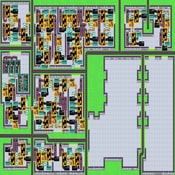
In Cinema Simulator you start with a small theater, a limited snack counter, and a handful of customers waiting outside, which matters because every early decision affects how quickly the business grows. The game combines ticket sales, auditorium management, cleaning duties, and concession service into a steady cycle that becomes much busier than it first appears. During the first in-game days, most players focus on selling tickets and scheduling films, but they quickly discover that customer satisfaction depends on much more than simply filling seats. Clean floors, stocked popcorn machines, and properly timed screenings all contribute to long-term success.
| Genre |
Business Simulation |
| Main Focus |
Cinema Management |
| Primary Tasks |
Tickets, Movies, Snacks |
| Progression |
Theater Expansion |
Early Management Decisions in Cinema Simulator
The opening stage introduces the core management loop. Customers arrive at the box office, purchase tickets, buy snacks, and enter an auditorium to watch a scheduled movie. At first, handling these responsibilities seems straightforward because visitor numbers remain relatively low. The challenge comes from balancing multiple systems simultaneously while preparing for future growth.
Many beginners spend available funds on expansion too quickly. A larger cinema sounds appealing, but additional auditoriums create more cleaning work, more scheduling requirements, and greater pressure on snack inventory. Experienced players often strengthen existing operations before adding new facilities.
The game rewards organization more than aggressive growth. A smaller cinema with efficient operations frequently earns more money than a poorly managed larger venue.
Casual players often enjoy decorating the cinema and watching customer traffic increase, while optimization-focused players spend considerable time refining movie schedules to maximize attendance across every screening.
Audience Flow in Cinema Simulator
As attendance increases, crowd management becomes one of the most important skills. Customers arrive in waves, especially before popular screenings. Long queues at ticket counters or concession stands can slow revenue generation and reduce overall satisfaction.
Community discussions frequently mention “peak hours” and “seat turnover.” These terms refer to periods when one screening ends and another begins shortly afterward. Managing these transitions efficiently separates experienced players from newcomers.
By the time multiple auditoriums operate simultaneously, scheduling becomes significantly more complex. A successful manager considers not only which movies are showing but also how customer traffic moves throughout the building.
One commonly discussed criticism involves cleaning tasks. Some players enjoy the hands-on management style, while others feel repetitive maintenance becomes less interesting once the cinema reaches a larger size.
Cinema Simulator and Concession Strategy
Concessions play a larger role than many players expect. Popcorn, soft drinks, and other refreshments often generate substantial revenue alongside ticket sales. Ignoring snack operations can limit profits even when screening rooms remain full.
Early in the game, inventory management is relatively simple. Once attendance grows, however, running out of popular products during a busy period can create noticeable losses. Experienced players learn to prepare for rushes before they occur.
Snack timing becomes an advanced concept. Restocking during quiet periods prevents interruptions during customer surges and keeps service flowing smoothly throughout the day.
A recognizable moment for longtime players occurs when a large audience exits an auditorium and immediately forms a line at the concession stand. Preparing for that surge often determines whether the period becomes highly profitable.
Expanding Beyond a Single Theater
Growth eventually transforms the cinema into a much larger operation. Additional auditoriums create new opportunities but also increase complexity. More screenings mean more visitors, more maintenance requirements, and more opportunities for mistakes.
Strategy-focused players often calculate which auditoriums should host the most popular films, while completionist players enjoy unlocking every available upgrade and expansion option. Both approaches reveal different strengths within the management systems.
Another frequently searched question involves whether expansion should happen immediately when funds become available. Extended play usually shows that steady growth supported by strong infrastructure produces more reliable results than rapid expansion.
How can players earn money faster?
Efficient scheduling and strong concession sales usually generate the most reliable income. Keeping auditoriums occupied while maintaining stocked popcorn and drink stations creates multiple revenue streams at the same time. Customer satisfaction also contributes to healthier long-term growth.
Why do customers become unhappy?
Long queues, dirty facilities, and poorly managed screenings are common causes. When auditoriums are not cleaned between showings, satisfaction can drop noticeably. Maintaining smooth operations across ticket sales and concessions helps prevent these problems.
What should be upgraded first?
Many experienced players prioritize systems that improve daily efficiency rather than immediately focusing on expansion. Strong concession service, better customer flow, and reliable maintenance usually provide benefits long before additional auditoriums become necessary.
Cinema Simulator remains engaging because every successful day reflects dozens of small management decisions working together. Whether organizing screenings, handling peak-hour crowds, or keeping popcorn machines ready for the next audience, Cinema Simulator constantly rewards careful planning and efficient operations.