What Tomodachi Life: Living the Dream Is
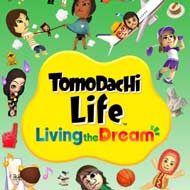
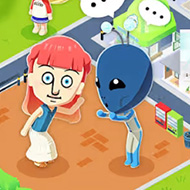
In Tomodachi Life: Living the Dream, you are the caretaker of an island populated by Mii characters you create and assign personalities to. Each one has needs. They get hungry, fall out with neighbors, develop crushes, and invite you into minigames at unpredictable hours. This game has no win condition and no end state. Your job is to keep your Miis happy, because happiness fuels everything else — new buildings, expanded island land, and the unscripted social chaos that makes Tomodachi Life: Living the Dream genuinely compelling to come back to.
The Wishing Fountain drives the progression of Tomodachi Life: Living the Dream. Interactions with Miis generate Warm Fuzzies — a goodwill currency deposited at the fountain to level up the island. Each level unlocks new buildings and terrain. Early in the game, your island is a modest atoll with bungalows clustered around the fountain; by the time your roster approaches the 70-Mii cap it becomes something sprawling and personal. What separates Tomodachi Life: Living the Dream from other life sims is that you function as observer as much as participant — you can steer friendships, nudge romances, or feed someone a food they have never tried, then wait to see whether their face lights up or crumples.
Mii Creation and Personality
| Genre |
Social simulation |
| Platform |
Nintendo Switch / Nintendo Switch 2 |
| Core mechanic |
Fulfilling Mii needs to earn Warm Fuzzies and level up the island |
| Key systems |
Mii creation, Island Builder, Palette House, Wishing Fountain |
| Primary setting |
Customizable island with individual Mii bungalows |
| Mii cap |
Up to 70 residents |
Mii creation in Tomodachi Life: Living the Dream runs deeper than any previous game in the series — far beyond picking a face shape. Every resident gets a personality through a four-axis slider system placing them into one of sixteen types — grouped under Ambitious, Considerate, Outgoing, or Reserved, with subtypes like Leader, Achiever, Visionary, and Perfectionist inside each group. These labels are not cosmetic. They determine how your Mii walks, talks, which foods they favor, and how readily they bond with others. This game rewards players who treat the personality chart as seriously as the face editor.
The gender system in Tomodachi Life: Living the Dream is one of the most flexible in any Nintendo game to date — assign Male, Female, or Non-Binary, set pronouns independently, configure dating preferences freely. Same-sex relationships are fully supported — the most-requested change from the 3DS era, and one that changes how relationship management feels throughout the whole game. Pre-setting existing relationships before Miis arrive also eliminates the awkward situations the older game was known for.
Players who populate their island with real people — a practice the community calls “casting” — spend considerable time on the sliders, because a misassigned Mii feels wrong in practice. Hitting “Leader” requires Quick movement, Direct speech, Intense energy, and Serious thinking at exactly center position. Getting any axis wrong produces a different type. Players who enjoy character-driven sandbox games will also find Life Choices: Life Simulator worth pairing with island life.
Island Builder and Palette House
The Island Builder is the biggest structural addition in Tomodachi Life: Living the Dream — a significant game design choice over the 3DS predecessor. In Tomodachi Life: Living the Dream, rather than dropping Miis into a pre-arranged town, you actively shape the terrain — moving buildings, laying custom ground tile patterns, reshaping the atoll’s coastline as new land unlocks through Warm Fuzzy deposits at the Wishing Fountain.
Unlocked when your island hits level 3, the Palette House is a drawing workshop where you create items using a pixel-style interface. Tomodachi Life: Living the Dream lets you design a wide range of things here:
- Clothing your Miis wear daily, including designs that glow at night
- Food and drink items — homemade recipe reactions feel distinct from store-bought responses
- Pets that follow specific residents around the island
- Custom TV programs that play inside Mii homes
- Home exterior patterns applied to all four walls of individual bungalows
- Island Builder ground tile patterns for pathways and plazas
Palette House creations can be shared with nearby friends over local wireless, making this one of the social anchors of the game for households where multiple players run their own islands. Seeing a shirt you drew turn up on a Mii based on someone from your own life gives Tomodachi Life: Living the Dream a handmade quality few other life simulation games match. Players who enjoy cozy building-and-decorating loops will also find Cozy Room Design hits a similar creative satisfaction through its own room-crafting mechanics.
Tomodachi Life: Living the Dream Controls
Tomodachi Life: Living the Dream uses button-based controls as the primary input across all game situations. Touch screen support is limited to Mii creation and Palette House workshop sessions.
- Left stick / D-pad Move the Hand Cursor to select Miis and interact with buildings
- A button Confirm, open a Mii’s menu, interact with objects
- B button Cancel, back out of any menu
- X button Island overview map and building placement menus
- Y button Pick up a Mii and relocate them anywhere on the island
- ZL / ZR Zoom and rotate the island camera in Island Builder mode
- L / R Cycle through nearby Miis without moving the cursor
- + button Main settings menu and full island map
- Touch screen (handheld) Mii creation and all Palette House drawing sessions
- Minigames Context-specific prompts shown on screen; most use timed A presses, directional inputs, or rapid button sequences depending on the game type
Joy-Con 2 mouse controls are not supported in Tomodachi Life: Living the Dream. On Nintendo Switch 2 in handheld mode, Tomodachi Life: Living the Dream renders at 1080p. Touch input remains available for Mii creation and Palette House work on compatible hardware.

Game Modes and Session Structure
Tomodachi Life: Living the Dream runs as a single open-ended game rather than offering distinct competitive or challenge modes. What creates structural variety is that three activity loops run simultaneously and intersect throughout every session.
The Mii Caregiving Loop is the daily backbone of Tomodachi Life: Living the Dream. Miis signal needs through thought bubbles: yellow for material or aesthetic needs, orange for friendship problems, pink for romance situations. Resolving bubbles is the primary source of Warm Fuzzies and in-game currency in Tomodachi Life: Living the Dream. Early sessions with ten or twelve residents feel calm and manageable. Managing forty or more Miis turns a single game session into a juggle of feeding arguments, mediated confessions, Catching minigames, and accidental drama caused by dropping two incompatible personality types next to each other.
The Island Development Loop runs in parallel. Warm Fuzzies deposited at the Wishing Fountain unlock buildings — Fresh Kingdom for food, Rite Price for selling, the pawn shop for coins, and eventually the Palette House. The Island Builder reshapes terrain as land expands. Players who lean toward the design side of this game often spend full sessions on layout — treating it as a design game in its own right.
The Minigame and Treasure Loop activates when a flashing green rectangle appears above a Mii’s head. Winning produces a prize box — large, medium, or small — containing Treasure items that raise happiness and generate more Warm Fuzzies when gifted. The minigame roster grows with island level. One piece of community knowledge that took many players too long to find: in the Catching game, deliberately losing when the target prize has low resale value is the smarter financial move, since the Tissues consolation avoids a net loss. Because time in Tomodachi Life: Living the Dream runs on the real-world clock, your island has a genuine day and night cycle, and events accessible at specific hours mean varied check-in times unlock interactions a single long session never would.
What New Players Get Wrong
The most common early mistake in Tomodachi Life: Living the Dream is rushing the Mii cap. Players who fill the island to 70 residents quickly find themselves overwhelmed in the game, unable to maintain the happiness levels needed to generate meaningful Warm Fuzzies. A well-tended island of fifteen to twenty Miis whose needs you can address every session will level up faster than a packed island where half the thought bubbles go unanswered.
The second consistent error is defaulting to main dishes. Miis in Tomodachi Life: Living the Dream can eat three smaller items — sides, desserts, or drinks — per feeding session versus one main dish. Three servings means three happiness checks instead of one, multiplying Warm Fuzzy output meaningfully. The third trap specific to Tomodachi Life: Living the Dream is the “Overall” personality slider: it is purely cosmetic, affecting only the face preview and nothing in-game. New players who use it as a shortcut end up with Miis whose conduct on the island does not match intentions. Set all four axes precisely — the difference between Achiever, Leader, and Visionary produces noticeably different residents.
Veterans of the 3DS original also need to adjust: each Mii in Tomodachi Life: Living the Dream starts in their own bungalow, not a shared apartment block. Up to eight residents can later share one expanded home, but individual housing is the default. Many long-term fans consider this one of the genuine improvements in how relationships develop. The original Tomodachi Life remains a useful reference for understanding what this game kept and changed.
Advanced Mechanics and Honest Criticisms
Once your island passes level 5 and the Palette House is active, the advanced layer of Tomodachi Life: Living the Dream opens. Head-rubbing — moving the Hand Cursor over a Mii’s head until sparkles appear — is never explained in the tutorial but produces consistent Warm Fuzzies daily. A daily head-rub pass across all residents adds a meaningful surplus that accelerates island level-ups noticeably. Mii levels above 20 in Tomodachi Life: Living the Dream award silver or gold coins that sell at the pawn shop for real currency. Pushing early residents toward level 20 before mid-game building costs climb is one of the clearest skill gaps between new and experienced players of this game.
The criticism that surfaces most often about Tomodachi Life: Living the Dream is the 70-Mii cap — reduced from 100 in the 3DS original. For most players, 70 generates more than enough social chaos. For players who run large “casts” populated with celebrities, friend groups, or fictional characters, the lower ceiling is a real loss. Several features noted in promotional materials, including a concert hall, were also absent at launch. These are not dealbreakers for most playthroughs, but worth knowing before investing deeply. Players who want the full Tomodachi picture can explore the Tomodachi Life 2 section to see how the series catalog continues to grow.
Extended play in Tomodachi Life: Living the Dream surfaces one detail only consistent sessions reveal: the in-universe news broadcasts that periodically air on your island’s screens reference specific recent events between your own Miis. If two residents argued that afternoon, the anchor may report it that evening in the game’s characteristic dry, absurd register. This ambient storytelling — the island documenting its own history back to you — is one of the quieter things that makes Tomodachi Life: Living the Dream feel distinctly alive compared to simulation games that only surface numbers.
Frequently Asked Questions
How do you unlock the Palette House in Tomodachi Life: Living the Dream?
The Palette House unlocks when your island reaches level 3. Island levels advance by depositing Warm Fuzzies at the Wishing Fountain. You earn Warm Fuzzies by resolving thought bubbles, feeding preferred foods, playing minigames when green rectangles appear over Mii heads, and gifting Treasures won from prize boxes. Reaching level 3 in Tomodachi Life: Living the Dream requires consistent daily interaction — no single-session shortcut exists.
Can Miis share a house in Tomodachi Life: Living the Dream?
Yes. Each Mii begins in their own bungalow, but residents can voluntarily choose to move in together — a shared home in Tomodachi Life: Living the Dream accommodates up to eight Miis simultaneously. Close friends, couples, or groups you cultivate will eventually request cohabitation through thought bubbles. You can accept or decline without any happiness penalty for the Miis involved.
Does changing the Nintendo Switch clock affect Tomodachi Life: Living the Dream?
It does, and mostly in disruptive ways. Jumping the clock forward delays the daily shop refresh at Fresh Kingdom and Where & Wear by 24 hours, and Mii hunger meters stop resetting normally, blocking the feeding cycle and the Warm Fuzzies that come with it. Community consensus is consistent: the real-time design in Tomodachi Life: Living the Dream rewards regular daily sessions and resists time manipulation.
Whether you are placing your first bungalows around the Wishing Fountain or deep into reshaping the atoll with the Island Builder, Tomodachi Life: Living the Dream rewards players who stay curious about small moments — the face a Mii makes tasting something unexpected, the late-night broadcast reporting on your residents’ afternoon argument, the Palette House creation that lands on your favorite islander the very next day. The game builds one Warm Fuzzy at a time, and the island it constructs is entirely, specifically yours.

Samantha Reed
Samantha is a fan of life-simulation games who loves the unpredictable stories and humor they create. She built this site to share guides, discoveries, and recommendations for players who enjoy games like Tomodachi Life: Living the Dream.