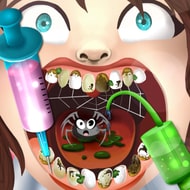
Become A Dentist looks like a simple cleaning simulator but plays more like a sequence of fast medical mini-games where timing mistakes immediately create bigger problems. The first patient usually arrives with yellow plaque and minor cavities, yet later appointments involve braces, infected gums, broken molars, and deep tooth decay that require several tools in exact order. Many players enter the game expecting relaxed clicking and instead discover pressure from timers, patient reactions, and precision mechanics that punish rushed movement. Once advanced procedures appear, even a small mistake with the dental drill can restart part of the treatment process.
| Genre |
Medical Simulation |
| Main Objective |
Treat dental problems with correct tools |
| Common Tools |
Dental Drill, Mirror, Scaler |
| Frequent Problems |
Cavities, Plaque, Broken Teeth |
| Failure Cause |
Incorrect treatment sequence |
Tool Sequencing Inside Become A Dentist
The earliest treatments focus on plaque removal with the scaler and water spray. New players often rush directly toward the dental drill because cavities appear more dramatic visually, but untreated plaque spreads across neighboring teeth and lowers patient comfort quickly. The game quietly teaches procedural order through failure rather than tutorials, which surprises many first-time players.
Patients react differently depending on treatment speed and tool accuracy. Some become nervous after prolonged drilling, especially during root cleaning sections where the reaction meter rises steadily. Players in community discussions often call failed procedures “panic runs” because the patient reaction meter spikes rapidly after repeated mistakes with the drill or scaler. Precision-focused players usually succeed by slowing movement instead of clicking faster.
One detail long-term players immediately recognize is the vibration sound from the drill before a cavity removal section starts. That audio cue becomes important later when treatments speed up dramatically and several infected teeth appear together. Experienced players often rely on sound timing during advanced procedures because visual clutter increases significantly once braces and gum infections overlap.
By the time silver fillings unlock, treatment order becomes much stricter. Players must disinfect infected areas, clear dark decay spots, and dry the tooth surface before applying filling material. Skipping even one stage can crack the filling during polishing, forcing the procedure to restart.
Patient Conditions Across Become A Dentist
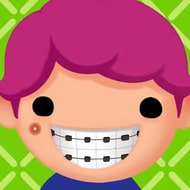
By the time braces appear, appointments become far more complicated than the early plaque-cleaning sessions. Cleaning around brackets requires slower cursor movement and careful positioning because accidental contact raises discomfort levels immediately. Precision-focused players usually enjoy these sequences because steady control matters more than speed, while casual players sometimes find them frustrating after several failed attempts.
The game gradually introduces darker gum infections and cracked molars that require multiple treatment stages. Players must disinfect the area, remove decay, apply fillings, and polish correctly before the patient leaves the chair. Missing one stage can restart the entire sequence, especially during advanced appointments involving multiple damaged teeth.
Some players criticize how suddenly difficulty spikes during advanced procedures. The transition from simple cleaning toward multi-step surgery can feel abrupt, particularly for younger players unfamiliar with timing mechanics and rapid tool switching. Community discussions frequently debate whether the middle stages become difficult too quickly compared to the relaxed opening procedures.
One recognizable player moment happens during severe gum infection treatments when the patient reaction meter turns red while the drill overheats slightly near molars. Experienced players immediately pause drilling for a second because continuing usually causes a failed procedure. That tiny hesitation becomes instinctive after several difficult appointments.
Clinic Rhythm and Common Mistakes
Appointments become faster once players memorize the proper tool order for common procedures. Experienced players rarely waste movement switching randomly between instruments because every unnecessary second increases patient discomfort. Efficient treatment routes matter more than raw clicking speed once several infected teeth appear simultaneously.
Tool cycling — players repeatedly rotate between the mirror, scaler, drill, and suction tube in predictable order to minimize wasted movement during larger procedures. The technique becomes essential once multiple cavities appear in the same row of teeth because delayed cleaning increases patient stress rapidly.
Some challenge-focused players intentionally avoid upgrades to keep procedures difficult longer and maintain higher tension during advanced treatments. Others prefer unlocking stronger cleaning tools quickly because deep infections become exhausting without faster plaque removal speeds. Different player types approach progression very differently once advanced gum treatments unlock.
A common beginner mistake involves overusing the drill during shallow cavity sections. Smaller decay spots near front teeth usually require only brief drilling before fillings become available. Aggressive drilling damages healthy tooth areas and immediately raises the patient panic meter.
Late Procedures and Community Discussions Around Become A Dentist
Complex procedures involving braces, deep cavity removal, gum surgery, and cracked molars create the most memorable moments in the game. The screen becomes crowded with tools, timers, infected teeth, and patient reactions, forcing quick decisions under pressure. That escalation keeps later sessions engaging even after many completed appointments.
Players frequently debate whether the patient reaction system feels realistic or overly punishing. Some enjoy the tension because mistakes carry visible consequences and force careful tool management. Others think failed procedures happen too quickly during advanced stages where several treatment mechanics overlap together.
Completion-focused players often replay earlier patients searching for perfect treatment scores and faster completion times. Timing specialists instead compete for efficient procedures while avoiding unnecessary tool swaps. Some players even memorize exact cavity patterns because advanced levels reuse several tooth layouts.
Once golden braces and advanced molar infections appear together, procedures become much longer than early appointments. Skilled players often clean every visible plaque section before activating the drill because switching tools repeatedly wastes valuable time. The strategy reduces panic spikes and keeps treatment flow stable during difficult sessions.
Why do fillings fail during advanced procedures?
Fillings usually fail when decay removal remains incomplete before the filling tool activates. Small dark spots near molars often indicate leftover infection that must be cleaned with the dental drill first before polishing begins. Experienced players zoom attention toward tooth edges because hidden decay commonly survives near braces or gum lines during advanced procedures.
How do players handle braces efficiently?
Braces require slower movement around metal brackets and careful cleaning angles to avoid discomfort penalties. Most players succeed by clearing one side completely before switching tools instead of jumping randomly across the mouth during treatment. Stable movement reduces accidental contact penalties and keeps the patient reaction meter under control.
What causes patient panic during treatments?
Patient panic increases when the drill stays active too long or when incorrect tools touch sensitive gum areas repeatedly. Long procedures without breaks also raise discomfort rapidly during infected gum sections where several teeth require treatment simultaneously. Fast tool cycling and short pauses between drilling sections help stabilize reaction levels significantly.
Become A Dentist stays memorable because every difficult procedure combines pressure, timing, visible progress, and constant tool management inside the clinic chair. Successfully repairing cracked molars after several failed attempts creates a stronger sense of improvement than simple score systems alone. The combination of scaler cleaning, drill timing, gum treatment, and brace adjustments gives Become A Dentist a rhythm players continue recognizing long after finishing another appointment.